 Back
Back

MarinaChain Signs MOU to Establish Eco-Friendly Fuel Supply Chain Hub in Singapore
Cooperation with Singapore Entities of Holt Global, Panwood, and Hanyu Energy: Securing Biofuel Supply Chains to Comply with FuelEU Maritime Regulations
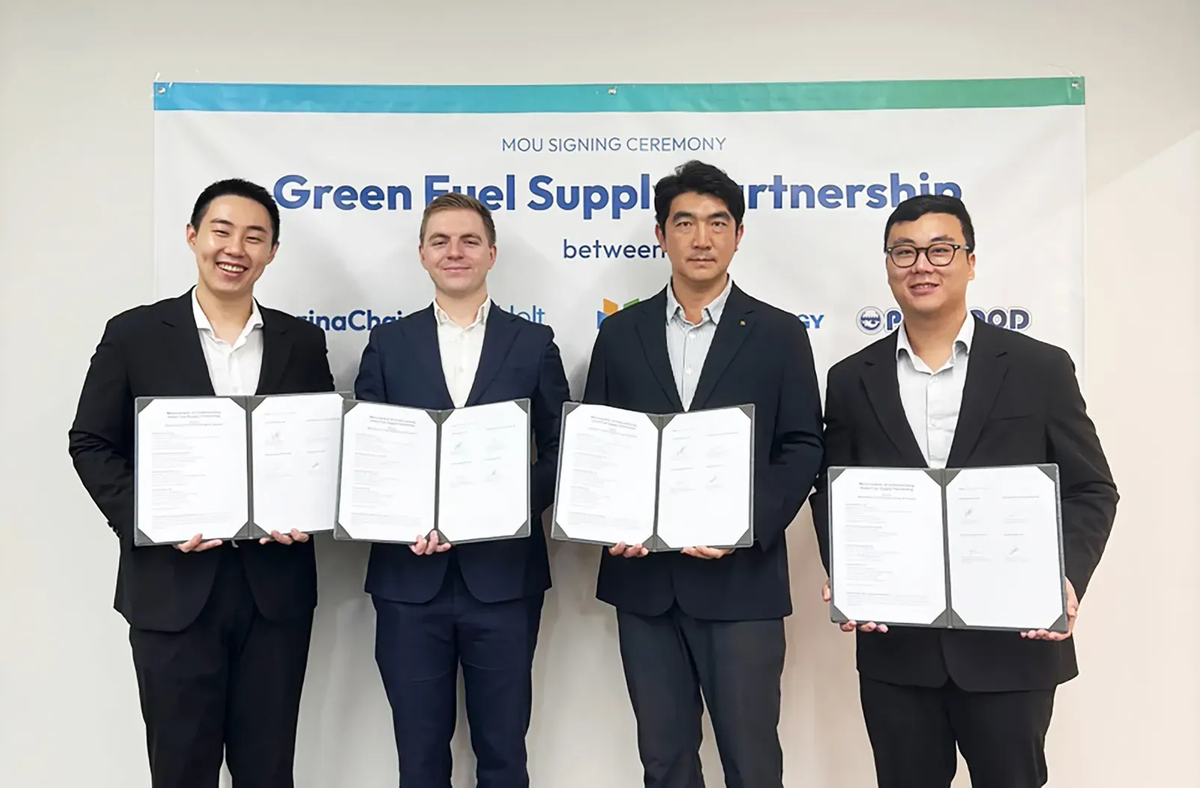
MarinaChain, a carbon emissions consulting specialist, announced on December 12 that it signed a Memorandum of Understanding (MOU) with Switzerland's Holt Global, Singapore's Panwood, and Hanyu Energy Singapore to supply eco-friendly biofuels in response to the FuelEU Maritime regulations set for 2025.
This agreement was established to build an eco-friendly fuel supply chain for domestic and international shipping lines facing stricter carbon regulations, providing global fuel solutions centered in Singapore.
The four companies agreed to establish a stable eco-friendly fuel supply network in Singapore, aiding regulatory compliance while fostering a sustainable maritime environment. Through this partnership, MarinaChain will collaborate with global energy trader Holt Global to research tailored biofuel blends (such as B12 and B24).
Leveraging the extensive industry expertise of Panwood and Hanyu Energy, MarinaChain plans to enable shipping companies to prepare for European port calls directly from Singapore, accelerating the maritime sector's sustainable transition.
MarinaChain currently offers services including vessel carbon emission calculations, EU Allowance (EUA) purchasing, and Life Cycle Assessment (LCA) calculations. Through this collaboration, the company aims to solidify its position as a leading regulatory solution provider in the global shipping industry.
Under FuelEU Maritime, greenhouse gas (GHG) intensity standards regulate ships operating in European waters. Ships must maintain an average GHG intensity below 89.3 gCO2e/MJ or face financial penalties. Since conventional fuels like HFO, LFO, and MDO/MGO exceed a GHG intensity of 90, non-compliant vessels face immediate regulatory exposure.
Furthermore, the regulation tightens every five years: requiring average GHG intensity levels of 85.7 by 2030, 77.9 by 2035, 69.2 by 2040, and 18.2 by 2050. Consequently, even vessels powered by LNG or LPG may face compliance issues after 2040.
"Biofuels offer the most straightforward compliance path for FuelEU Maritime," said Ha Seong-yeop, CEO of MarinaChain. "Blending biofuels—which feature an average GHG intensity below 15—with conventional fuels can significantly mitigate regulatory risks over the next five years."
Source : http://www.maritimepress.co.kr/news/articleView.html?idxno=323779
MarinaChain
Continue Reading
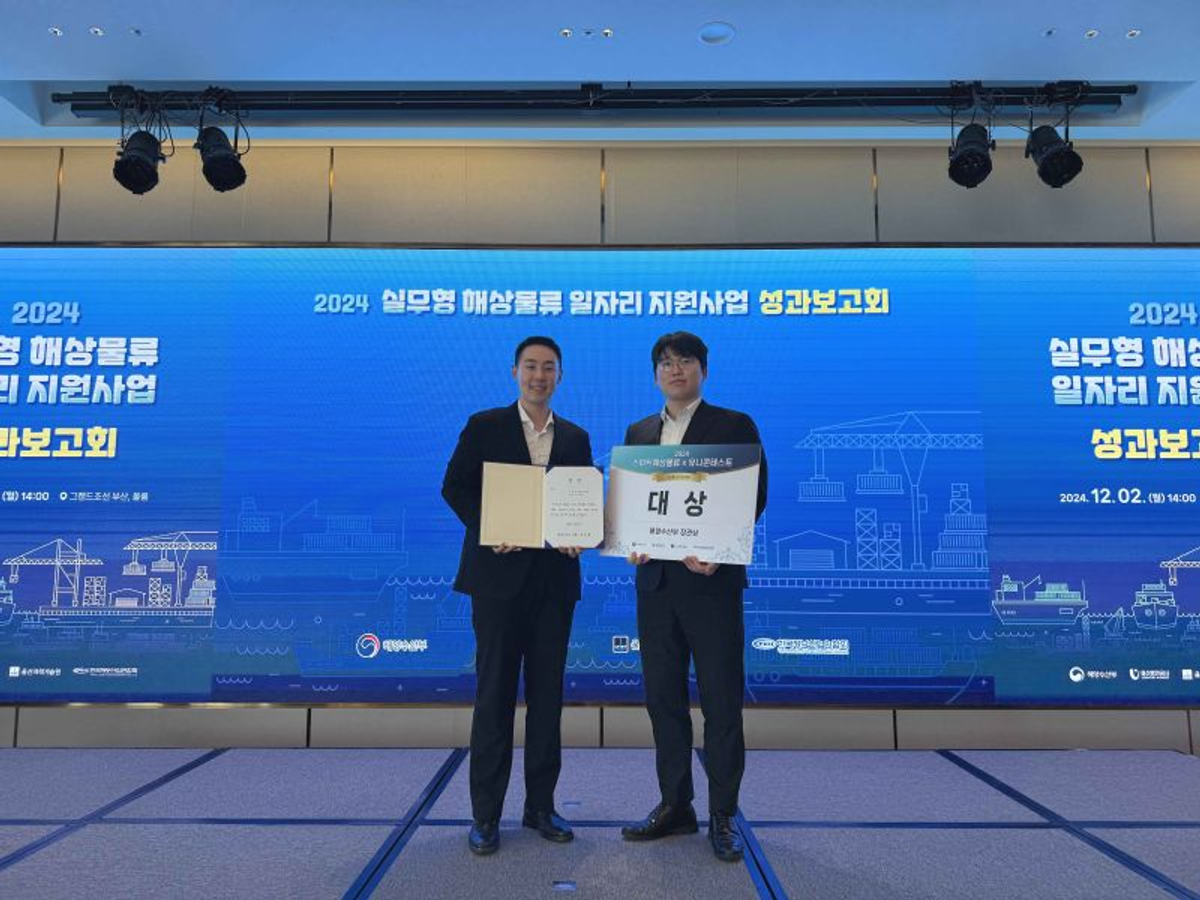
MarinaChain Takes First Place at 'Smart Maritime Logistics UniContest'

MarinaChain
December 6, 2024 · 1 year ago
MarinaChain Takes First Place at 'Smart Maritime Logistics UniContest'
MarinaChain
December 6, 2024 · 1 year ago
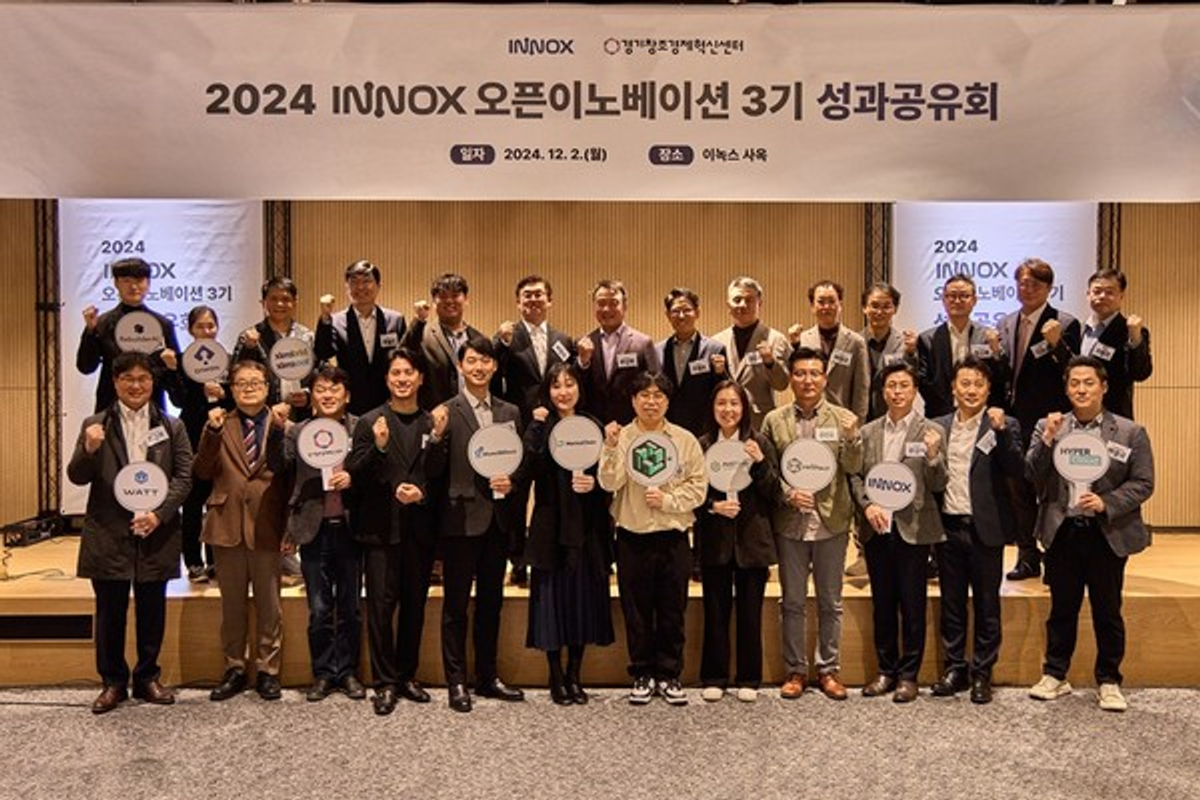
MarinaChain Selected as Promising Startup for '2024 INNOX Open Innovation 3rd Cohort'
MarinaChain
December 4, 2024 · 1 year ago
MarinaChain Selected as Promising Startup for '2024 INNOX Open Innovation 3rd Cohort'
MarinaChain
December 4, 2024 · 1 year ago